Serving Centennial
Sewage Cleanup in Centennial
Call us for a free sewage cleanup estimate
Serving Centennial
Call us for a free sewage cleanup estimate
A sewage backup is treated as Category 3 water because it can contain bacteria, viruses, fungi, and other contaminants. In Littleton homes, sewage problems may show up through basement floor drains, toilets, tubs, utility sinks, or main line backups after a blockage or heavy storm load.
The cleanup approach is different from a clean water pipe burst. Porous materials that contacted sewage usually cannot be dried in place. Carpet pad, carpet, drywall, insulation, cardboard, upholstered items, and some trim may need removal and disposal with photos for the claim.
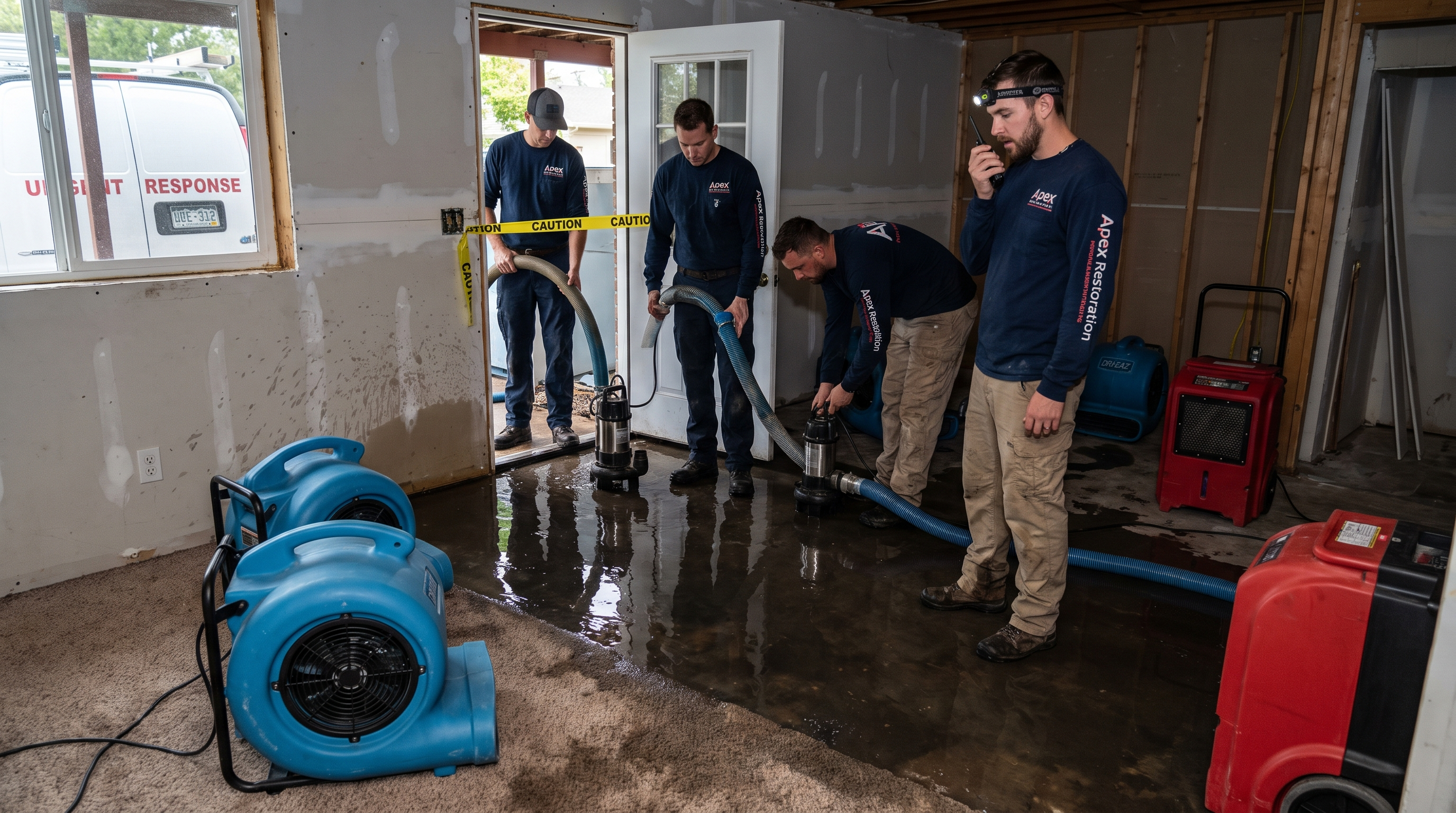
Technicians use PPE, containment where needed, extraction equipment, HEPA cleaning, antimicrobial treatment, and controlled drying. Hard surfaces can often be cleaned and disinfected, but the contractor has to verify that contaminated water did not travel under flooring, behind walls, or into adjacent finished areas.
Insurance coverage depends on policy language and endorsements. Sewer backup coverage is often separate from standard sudden water damage coverage, so the source and path of water should be documented clearly before work begins.
Centennial has many suburban homes with finished basements, attached garages, appliance rooms, and open layouts where water can travel quickly. A refrigerator line, washing machine hose, water heater, or frozen exterior-wall pipe can affect flooring and cabinets before the leak is visible from every room.
Freeze-thaw swings across the south metro make winter pipe losses a real concern. During spring and summer, storms can create roof entry, window well problems, and basement water depending on grading and drainage.
Littleton Water Damage Restoration helps Centennial homeowners get matched with licensed contractors who can extract water, dry structural materials, treat affected areas when needed, and document the loss for the insurance process.
A sewage backup is not handled like a clean supply line leak. Contractors base removal, treatment, and drying decisions on Category 3 standards and material exposure.
Finished basements can hide sewage water under flooring and behind baseboards. Photos, affected-room maps, and disposal notes help explain why removal was necessary.
Do not walk through or move sewage-affected items without guidance.
Free — no obligations