Littleton's Sewage Cleanup Specialists
Clean contaminated water the right way
Sewage water is a health hazard, so cleanup should start quickly with proper protection and disposal.
Littleton's Sewage Cleanup Specialists
Sewage water is a health hazard, so cleanup should start quickly with proper protection and disposal.
A sewage backup is treated as Category 3 water because it can contain bacteria, viruses, fungi, and other contaminants. In Littleton homes, sewage problems may show up through basement floor drains, toilets, tubs, utility sinks, or main line backups after a blockage or heavy storm load.
The cleanup approach is different from a clean water pipe burst. Porous materials that contacted sewage usually cannot be dried in place. Carpet pad, carpet, drywall, insulation, cardboard, upholstered items, and some trim may need removal and disposal with photos for the claim.
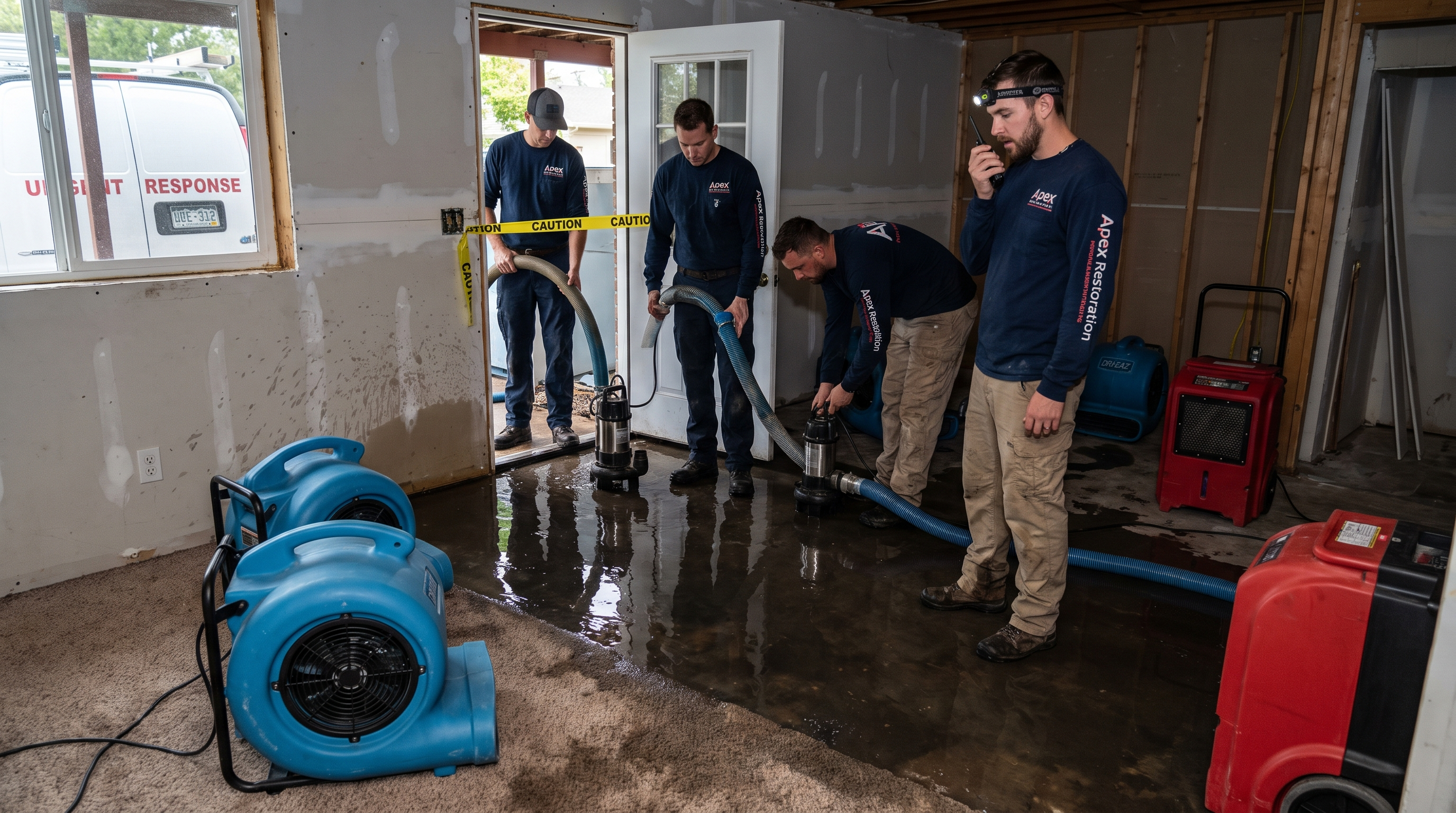
Technicians use PPE, containment where needed, extraction equipment, HEPA cleaning, antimicrobial treatment, and controlled drying. Hard surfaces can often be cleaned and disinfected, but the contractor has to verify that contaminated water did not travel under flooring, behind walls, or into adjacent finished areas.
Insurance coverage depends on policy language and endorsements. Sewer backup coverage is often separate from standard sudden water damage coverage, so the source and path of water should be documented clearly before work begins.
Sewage cleanup combines extraction, contaminated material removal, sanitation, drying, and claim documentation.
Contaminated water is removed using equipment and procedures suited to black water conditions. Workers protect themselves and limit tracking contamination into unaffected areas.
Materials that absorbed sewage water are documented and removed when they cannot be cleaned safely. This often includes carpet, pad, drywall cuts, insulation, baseboards, and stored paper goods.
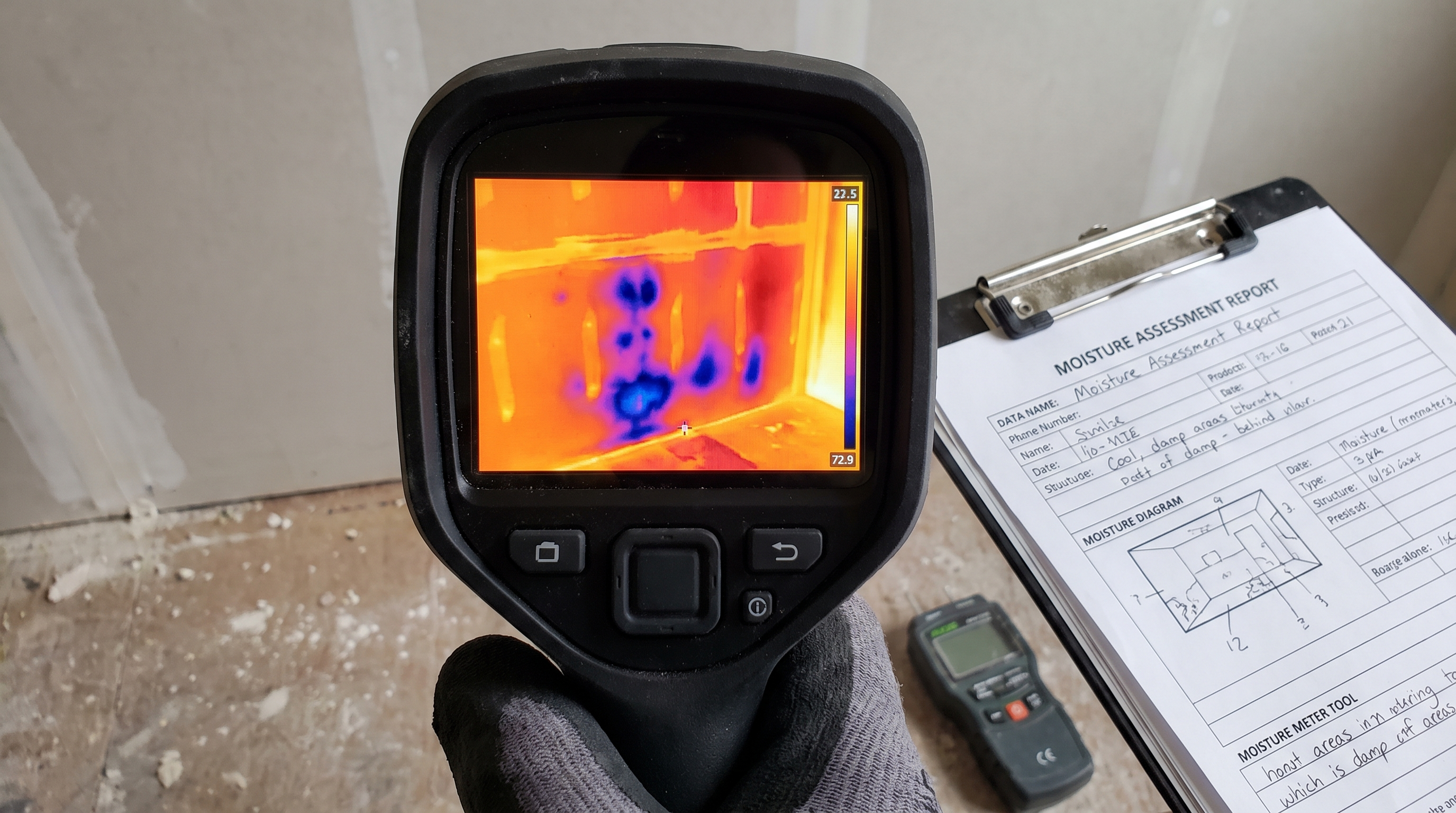
Remaining hard surfaces are cleaned and treated with appropriate antimicrobial products. The area is then dried and rechecked for moisture trapped below or behind finishes.
A sewage backup is not handled like a clean supply line leak. Contractors base removal, treatment, and drying decisions on Category 3 standards and material exposure.
Finished basements can hide sewage water under flooring and behind baseboards. Photos, affected-room maps, and disposal notes help explain why removal was necessary.
Do not walk through or move sewage-affected items without guidance.
Free — no obligations
The contractor identifies the backup source, checks whether plumbing service is needed, and sets safety boundaries for contaminated areas.
Sewage water is removed and the affected area is controlled to reduce cross-contamination.
Contaminated porous materials are documented and removed, while cleanable surfaces are washed and disinfected.
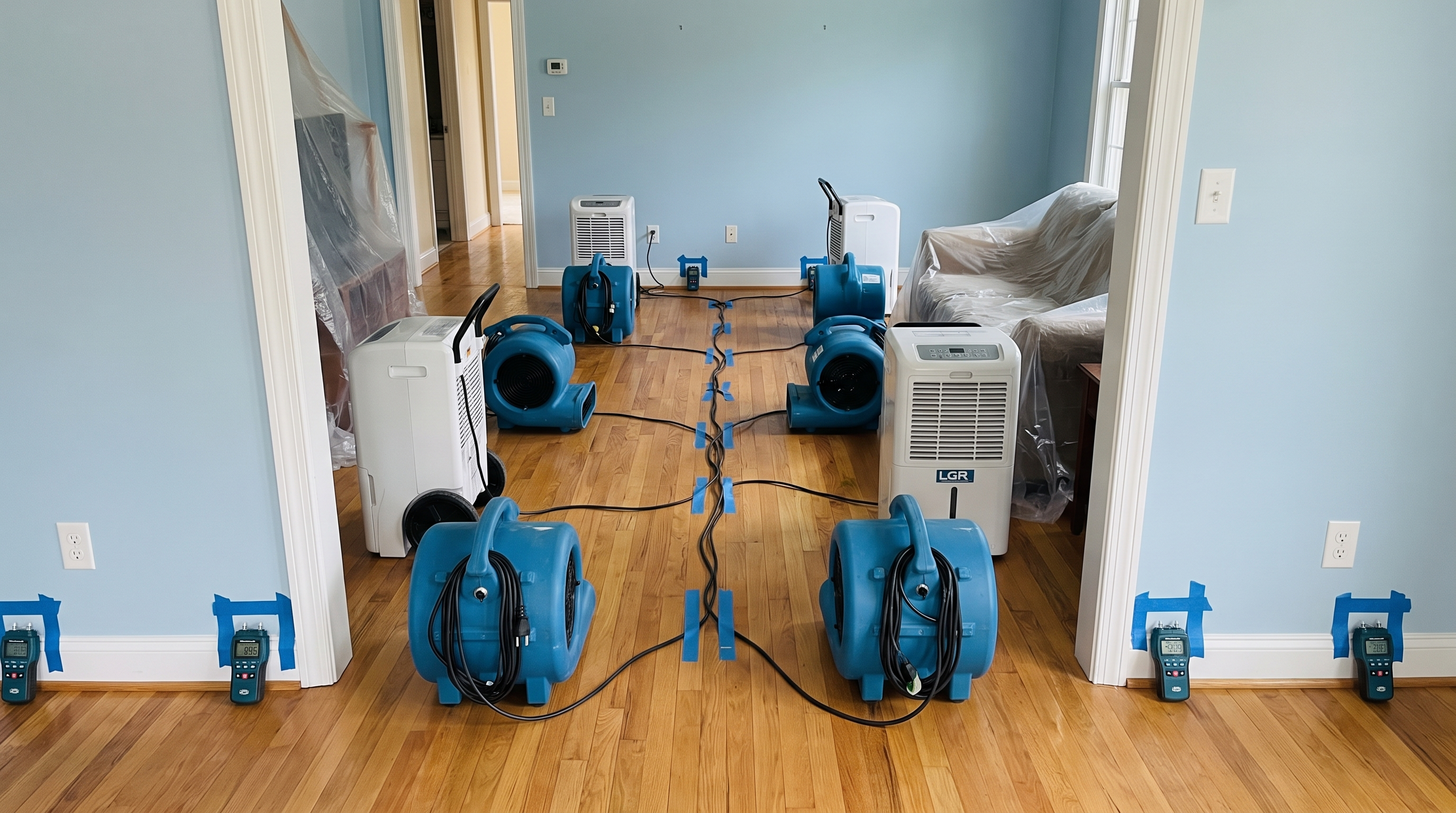
Drying equipment is placed after cleaning, and moisture readings confirm the area is ready for repair planning.