Serving Lakewood
Mold Prevention Treatment in Lakewood
Call us for a free mold prevention treatment estimate
Serving Lakewood
Call us for a free mold prevention treatment estimate
Littleton homeowners sometimes assume mold is only a humid-state problem. It is not. Mold needs moisture and organic material, and water-damaged drywall paper, wood framing, carpet backing, insulation dust, and stored boxes can provide both inside a closed wall, crawl space, or basement.
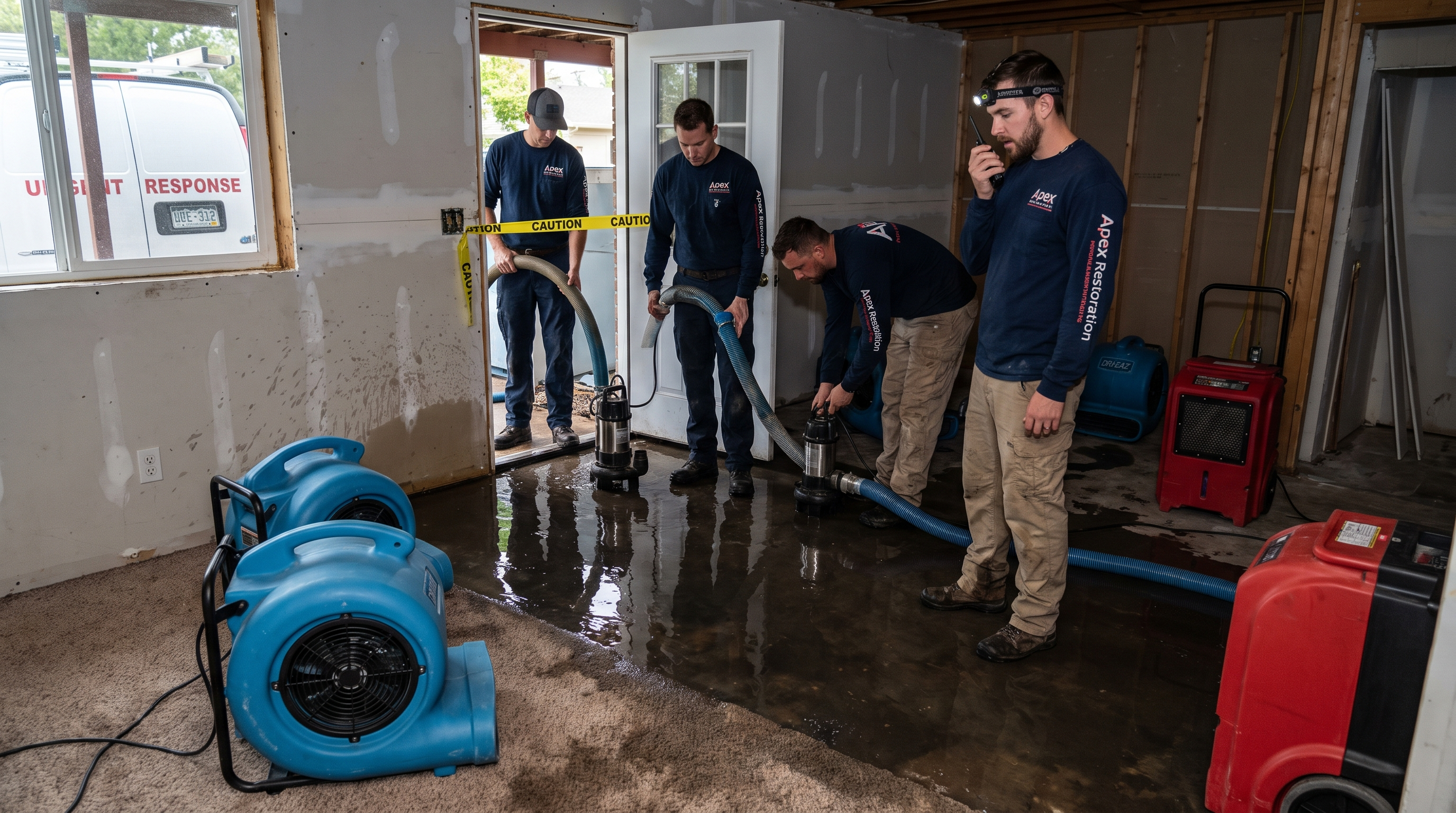
Prevention begins with removing excess water and drying materials within a safe window. If water sits for 24 to 48 hours, risk increases, especially when the water came from a dishwasher, sump pump, sewage line, or exterior flooding. Category 2 and Category 3 losses require more than simple drying.
Contractors may use antimicrobial treatment, HEPA cleaning, controlled demolition, containment, and disposal of porous materials when conditions call for it. If visible mold is already present, the job may shift from prevention to remediation, and accepted standards such as IICRC S520 should guide the work.
The goal is honest evaluation. Some materials can be dried and treated. Others hold contamination or moisture too deeply and should be removed before rebuild. Good documentation helps separate mitigation from any mold-related claim issues.
Lakewood sits west of Littleton with foothill-influenced weather, quick temperature changes, and neighborhoods that range from older ranch homes to larger remodeled properties. Burst pipes, appliance leaks, roof entry from storms, and basement seepage can all create water damage that spreads behind finishes.
Older homes may have plumbing, valves, and basement assemblies that need a careful look after a sudden leak. Newer remodeled spaces can hide water under finished floors, cabinets, and wall systems that were added long after the original structure was built.
Littleton Water Damage Restoration connects Lakewood homeowners with licensed contractors who can extract standing water, dry structural materials, document contents, reduce mold risk, and handle sewage or contaminated water when needed.
Contractors look inside materials and enclosed spaces rather than relying on the local climate. Crawl spaces, wall cavities, and basement finishes can stay wet long after the room feels dry.
A clean water pipe burst with fast drying is different from visible mold after a long leak. The contractor should explain when preventive treatment is enough and when a mold remediation scope is needed.
Request help before a water loss becomes a mold claim issue.
Free — no obligations