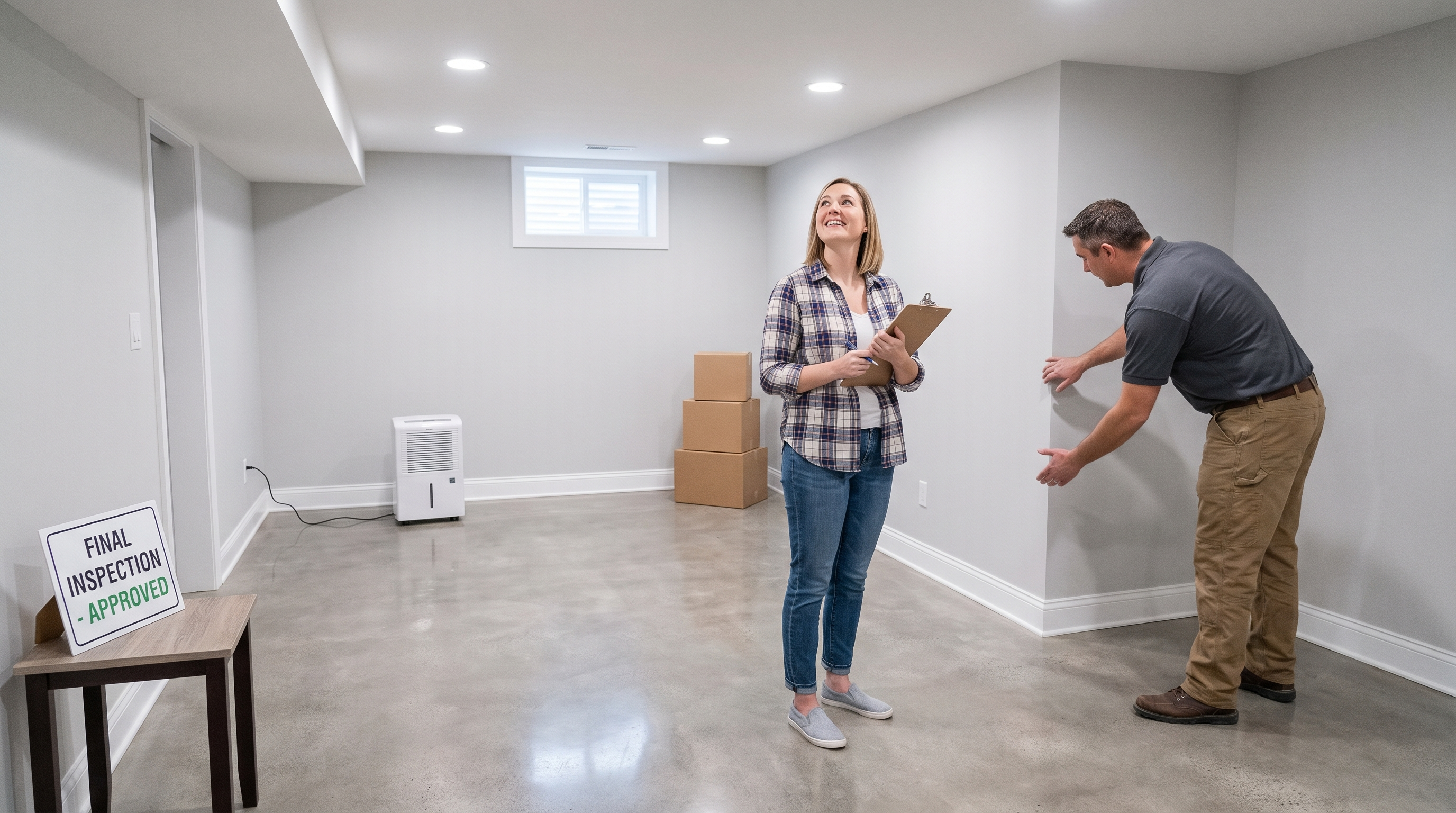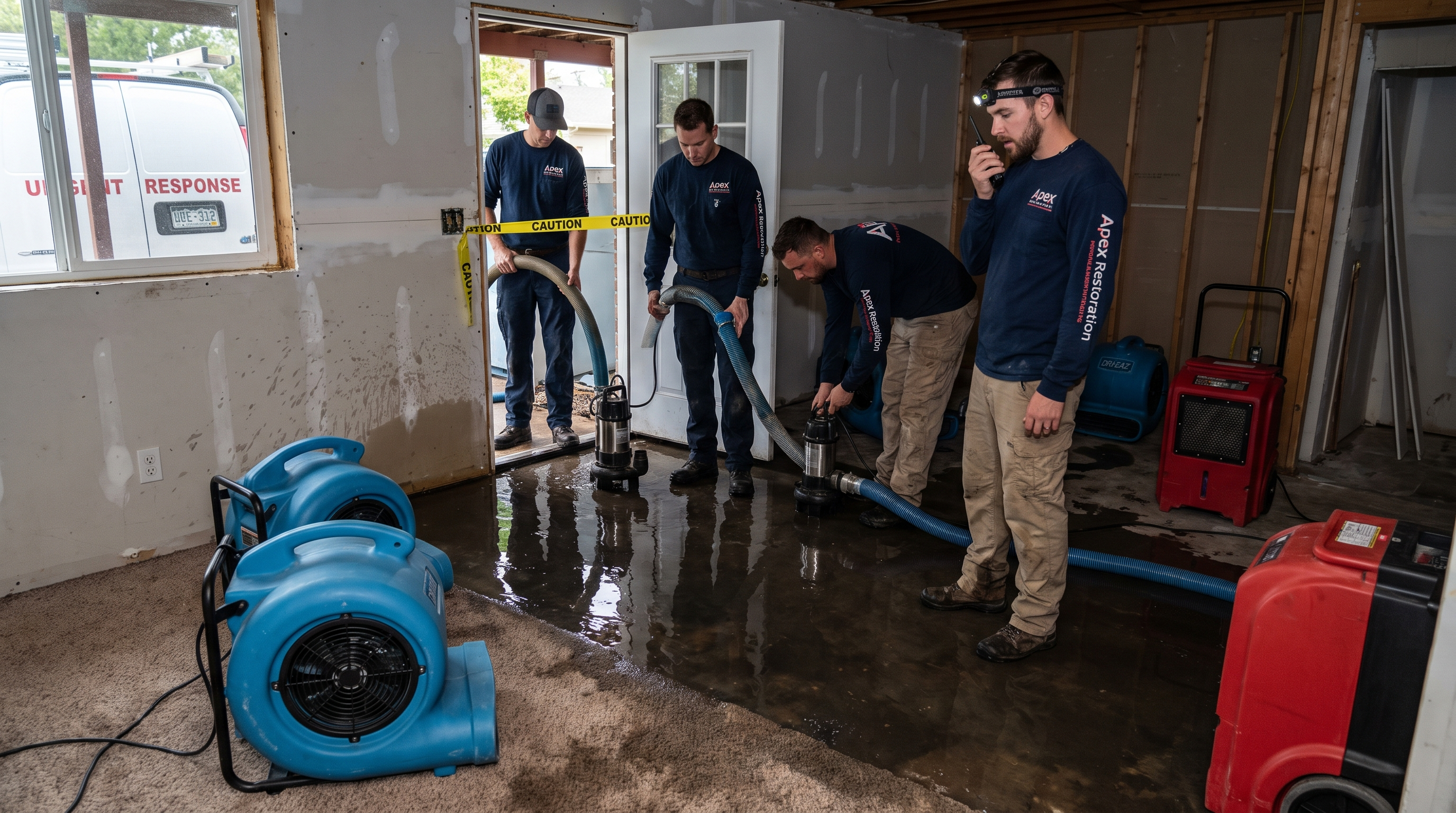
Littleton's Content Restoration Specialists
Protect belongings after water damage
Start contents documentation quickly before wet boxes, furniture, clothing, and electronics deteriorate further.
Littleton's Content Restoration Specialists
Start contents documentation quickly before wet boxes, furniture, clothing, and electronics deteriorate further.
Water damage in Littleton often affects more than walls and floors. Finished basements in Highlands Ranch-style homes, storage rooms in older Littleton houses, and crawl space-adjacent utility areas can hold furniture, holiday storage, photos, tools, electronics, documents, and outdoor gear that need fast decisions.
Content restoration starts with documentation. Items should be photographed, listed, and separated by salvage potential before cleanup or disposal. Insurance carriers often need an inventory, and rushed debris removal can make reimbursement harder.
The water category matters. Clean water from a fresh supply line may allow more items to be dried and cleaned. Gray water, sewage, or floodwater can contaminate porous belongings, upholstered furniture, mattresses, rugs, books, and cardboard boxes. Some items can be cleaned; others should be discarded for safety.
Contractors may offer on-site drying, pack-out, climate-controlled storage coordination, specialty cleaning, electronics review, document drying, or disposal support. The best path depends on material, value, contamination, and how long the item stayed wet.
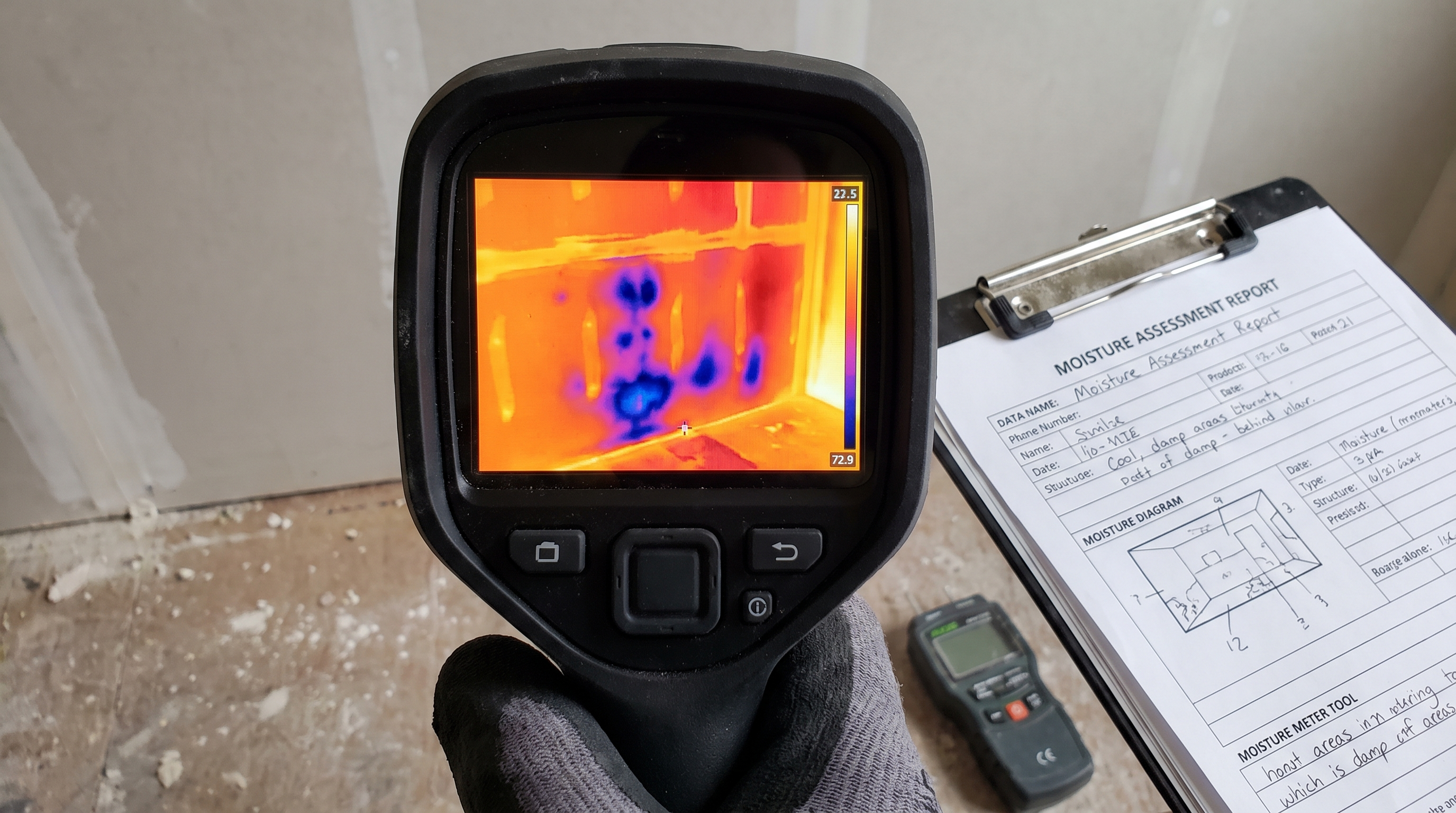
Contents work protects the claim record while separating salvageable belongings from items that are unsafe or not cost-effective to restore.
Items are documented by room, condition, and likely salvage category. This helps support the contents portion of the insurance claim before anything is moved.
Salvageable contents may be dried, cleaned, deodorized, or packed out for off-site handling. Materials affected by contaminated water need stricter evaluation.
Items that cannot be cleaned safely are photographed and listed before disposal. This is especially important for basement storage, upholstered furniture, rugs, and wet paper goods.
South metro homes often use basements as full living space, offices, gyms, media rooms, and storage. The contractor match accounts for contents volume instead of focusing only on structural drying.
A contents claim can suffer if damaged items leave the property without photos or notes. Contractors document the loss before cleaning, pack-out, or disposal.
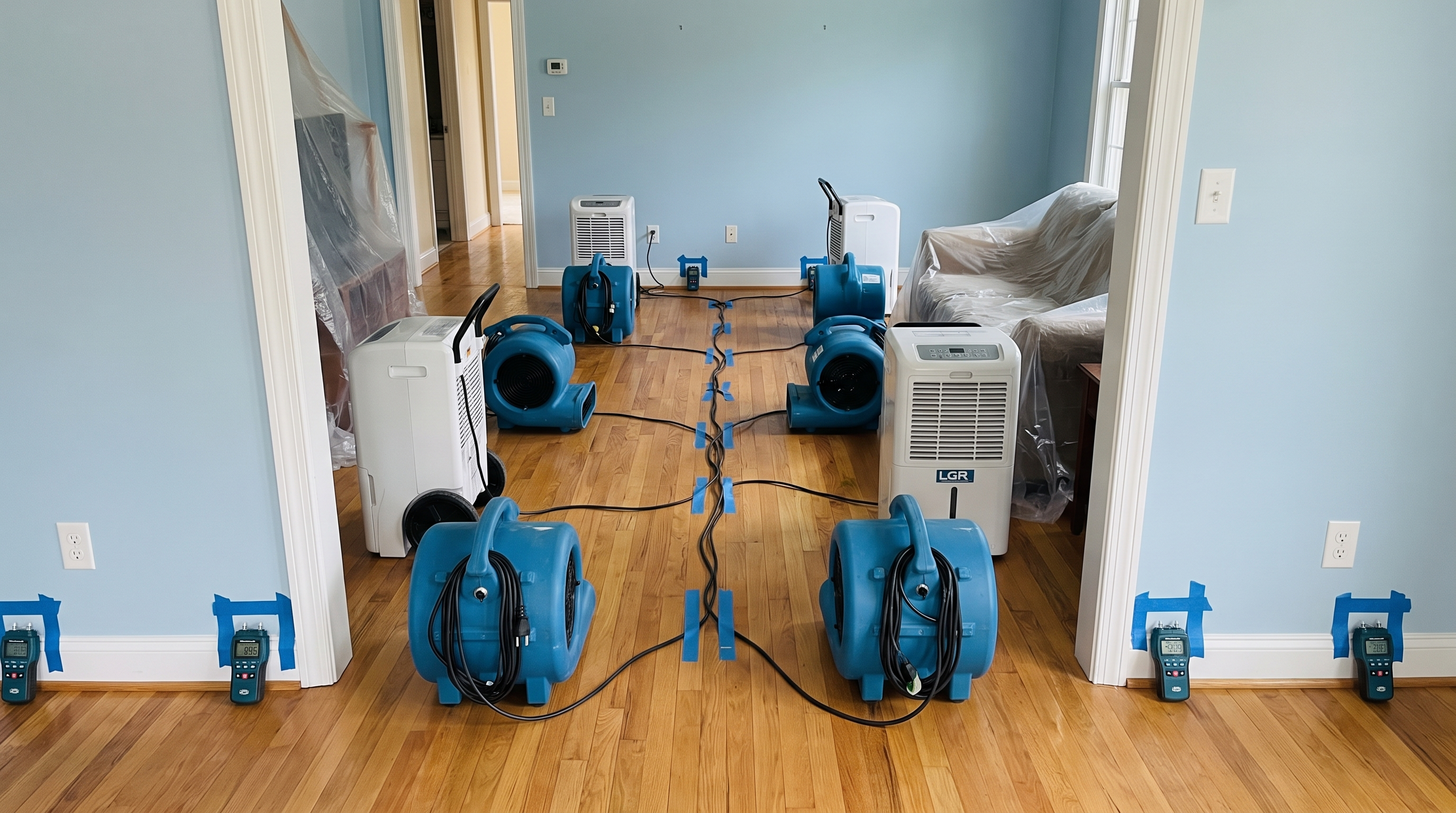
Begin contents documentation before wet belongings are moved or discarded.
Free — no obligations
Affected belongings are photographed and organized by room, material, value, and visible condition.
The contractor separates items that may be cleaned or dried from items affected by contamination, swelling, corrosion, or mold risk.
Salvageable contents are cleaned on site or packed out for specialty handling depending on the scope.
Damaged and disposed items are listed with supporting photos so the contents portion of the claim has a clear record.