Serving Littleton & Arapahoe County, CO
Water damage help for Littleton homes
Request a free estimate fast so extraction, drying, and documentation can start before wet materials create a larger loss.
Serving Littleton & Arapahoe County, CO
Request a free estimate fast so extraction, drying, and documentation can start before wet materials create a larger loss.
Water damage in Littleton has a few patterns contractors see again and again. Spring snowmelt can push the South Platte River and Plum Creek past normal levels from March through May, while quick Front Range temperature swings can freeze supply lines in exterior walls, crawl spaces, garages, and older utility runs.
The age of the housing stock matters. Many Littleton neighborhoods built from the 1960s through the 1980s still have plumbing assemblies, valves, and supply lines that are closer to the end of their service life. Galvanized steel pipes can corrode from the inside, then fail suddenly and release enough water to soak drywall, cabinets, subflooring, and finished basement space before the shutoff is found.
Crawl spaces are another common trouble spot in original Littleton neighborhoods built before slab-on-grade construction became more common. Water can sit below the living area without looking dramatic at first, then drive humidity into insulation, rim joists, ductwork, and floor systems. A dry Colorado afternoon does not mean wet framing is safe.
Littleton Water Damage Restoration connects callers with licensed contractors who can assess the source, extract standing water, place drying equipment, monitor moisture, and document the claim. Colorado water damage claims can become expensive quickly, especially when finished basements, mold concerns, or Category 2 and Category 3 water are involved.
A good water damage response in Littleton starts with source control and moisture mapping, not a quick vacuum pass. Contractors need to know how water moves through split-level homes, finished basements, crawl spaces, older pipe chases, and insulation pockets where a surface can look dry while the assembly is still wet.
The contractors we connect you with focus on emergency stabilization, drying records, antimicrobial treatment when appropriate, and documentation that can help during an insurance claim. They also understand local loss patterns, including spring runoff near the South Platte corridor, freeze-thaw pipe failures, crawl space flooding, and basement contents losses in larger south metro homes.
Dry climate can be misleading. Mold growth is very real once drywall, subflooring, insulation, or stored contents stay wet long enough, and work involving suspected mold should follow accepted remediation practices such as IICRC S520 standards.
More about us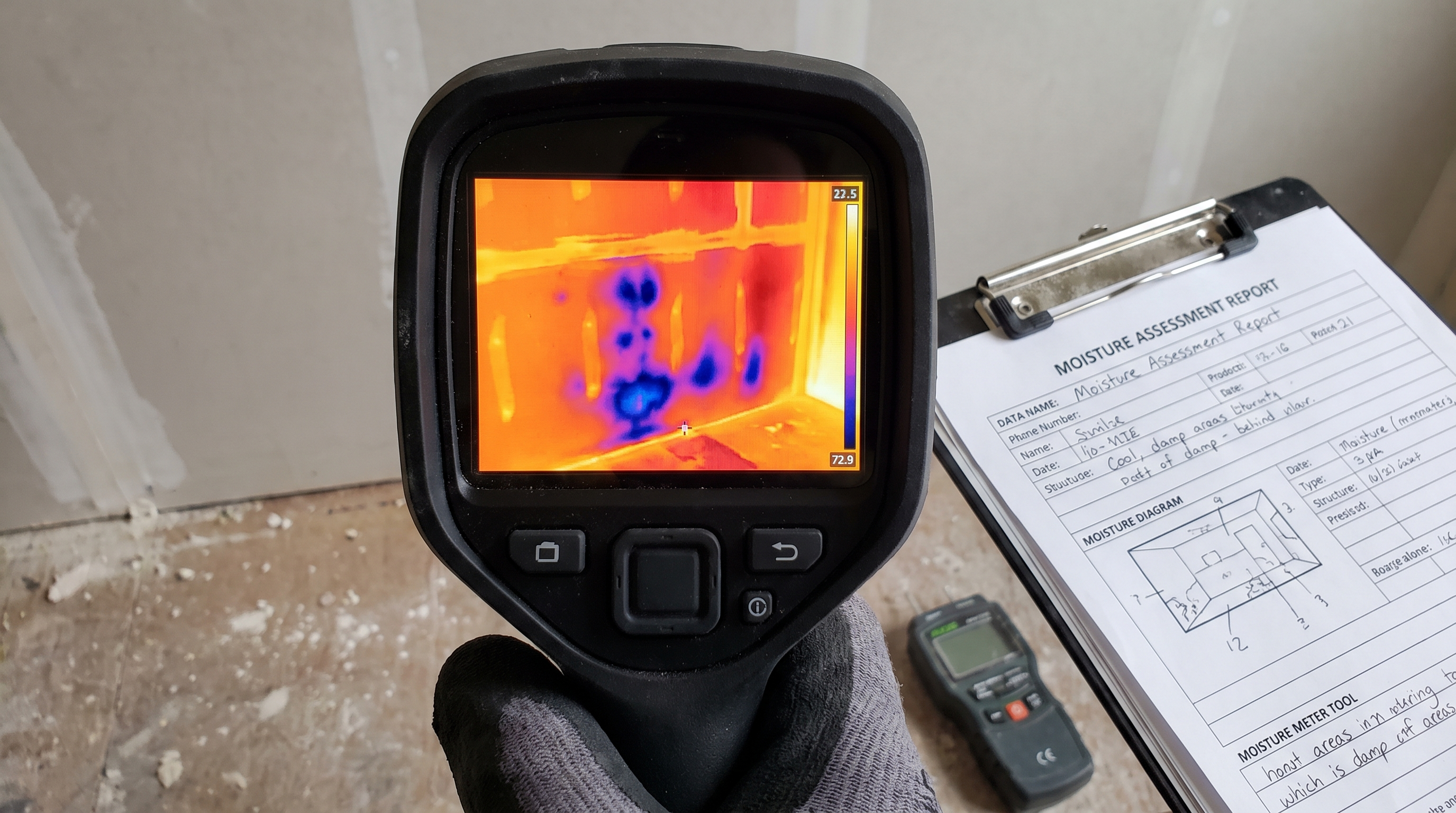
Water damage restoration in Littleton can involve extraction, structural drying, sanitation, mold prevention, and contents handling in the same job. The right contractor can build a mitigation plan around the water category, building materials, and the amount of finished space affected.
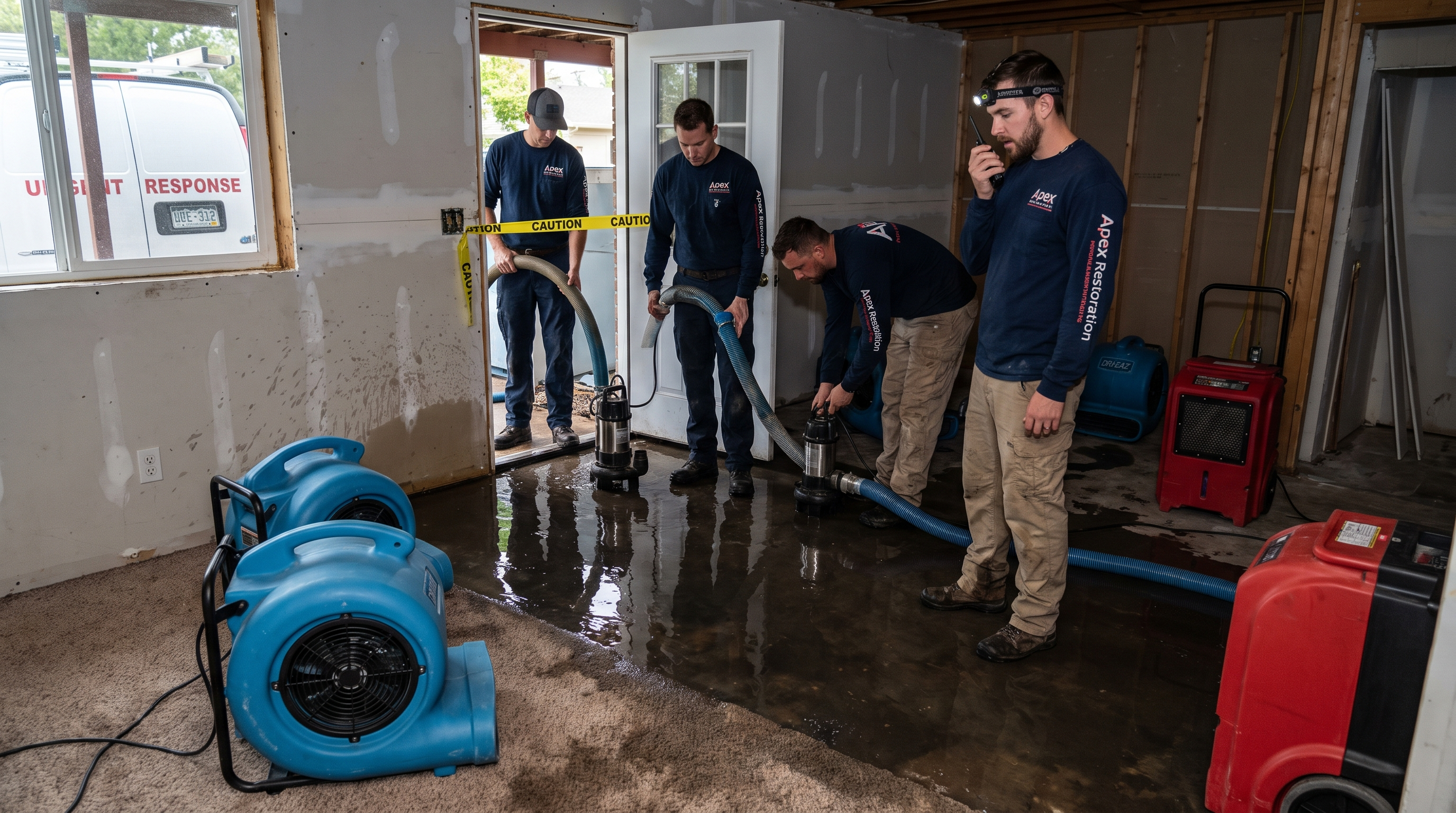
Fast water extraction removes standing water from floors, basements, crawl spaces, and saturated materials before damage spreads.
Learn more →Structural drying uses air movement, dehumidification, selective demolition, and moisture monitoring to dry wet building materials safely.
Learn more →Mold prevention treatment reduces microbial risk after water damage through drying control, sanitation, and proper handling of wet materials.
Learn more →Content restoration helps document, clean, dry, pack out, or dispose of belongings affected by water damage.
Learn more →Sewage cleanup handles Category 3 water with extraction, removal of contaminated porous materials, sanitation, and drying.
Learn more →Basement flood cleanup removes water, dries lower-level materials, documents contents, and helps reduce mold risk after flooding.
Learn more →Service is available throughout Littleton and surrounding communities, including Englewood, Centennial, Highlands Ranch, Sheridan, and Lakewood. These towns share south metro risks such as finished basements, fast freeze-thaw swings, older plumbing in established neighborhoods, and stormwater pressure during spring runoff.
Arapahoe County properties vary from original ranch homes with crawl spaces to newer planned communities with large finished lower levels. The referral process accounts for that range by matching callers with contractors suited to the source of water, the contamination level, the building type, and the urgency of the loss.
See all service areas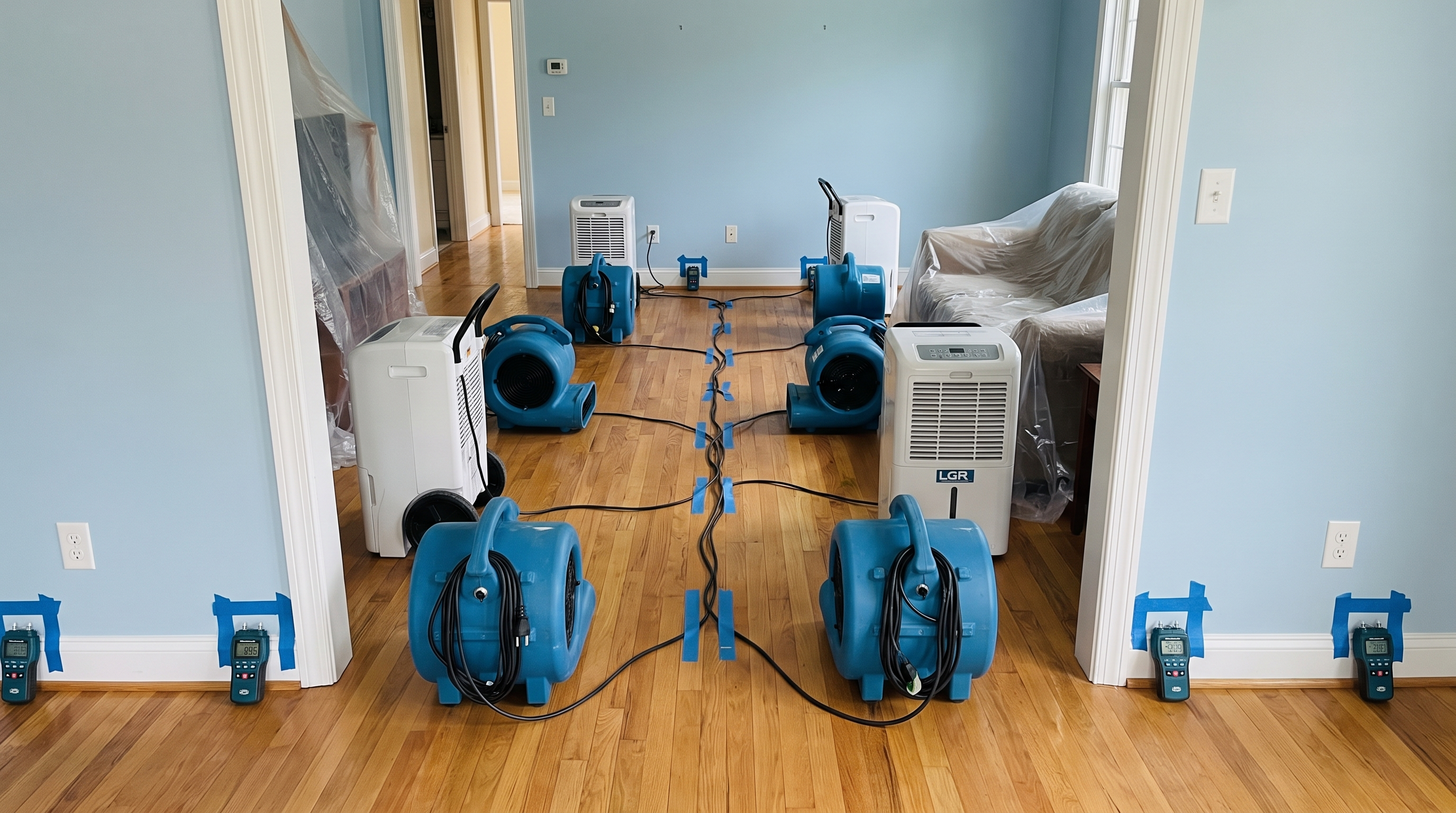
Spring snowmelt and sudden storms can affect basements, crawl spaces, and low areas near the South Platte River and Plum Creek. Contractors inspect for water that traveled beyond the visible puddle, especially under flooring and behind basement finishes.
Homes built during Littleton's 1960s to 1980s growth often have aging supply lines, corroded valves, and pipe runs in colder parts of the structure. The response includes checking the source, documenting sudden failure, and drying the affected assemblies before swelling and microbial growth spread.
Colorado's dry air helps only when water can actually evaporate from the material. Moisture meters, drying logs, air movers, and dehumidifiers show whether drywall, framing, subflooring, and insulation have reached safe drying goals.
Photos, source notes, water category, affected-room mapping, equipment logs, and removal decisions matter before the adjuster visits. Good documentation helps separate mitigation, demolition, contents, and rebuild items in the claim.
Call within minutes of finding the water, especially if drywall, flooring, cabinets, or basement contents are wet. In the first 24 to 48 hours, materials absorb moisture and mold risk starts to rise. Fast extraction and drying can reduce demolition and protect the insurance record.
Colorado water damage claims commonly fall into the thousands, and local claim ranges can rise sharply when basements, sewage, or contents are involved. The final cost depends on the water source, water category, square footage, affected materials, drying time, and whether mold remediation or reconstruction is needed.
The contractor first checks safety and stops or confirms the source is stopped. Then they document the damage, extract standing water, remove materials that cannot dry safely, place air movers and dehumidifiers, monitor moisture, and apply antimicrobial treatment where the water category or material condition calls for it.
Littleton Water Damage Restoration connects callers with licensed contractors serving Littleton, Arapahoe County, and nearby south metro communities. Ask the matched contractor for proof of insurance, licensing details, IICRC training where applicable, and a written scope before authorizing work.
Yes. Dry outdoor air does not protect wet drywall, insulation, subflooring, framing, or stored contents. If materials remain damp, mold can grow inside walls, under flooring, or in crawl spaces, and suspected mold should be documented before removal or cleaning starts.
No obligation. Emergency calls can usually be routed for same-day inspection.
Free — no obligations